
 At Gentle Dental Center in Virginia Beach, VA, we know that many people wonder how to tell if you have a cavity when they don’t experience any pain. While toothaches are often a clear sign of decay, cavities can develop quietly without causing discomfort, making early detection tricky.
Understanding how to tell if you have a cavity before it becomes painful is crucial for preserving your teeth and avoiding more extensive dental treatments. Here are the top signs you might have a cavity—even if you don’t feel any pain.
1. White or Brown Spots on Your Teeth
One of the first answers to how to tell if you have a cavity is spotting white or brown discoloration on your enamel. These areas show where the enamel is losing minerals and may be the start of decay. If you notice these spots, especially near the gum line or between teeth, it’s time to consult your dentist.
2. Tooth Sensitivity to Temperature or Sweet Foods
If you experience sudden sensitivity when drinking cold beverages, eating sweets, or biting into hot foods, this can be a subtle sign of decay. Knowing how to tell if you have a cavity involves paying attention to these brief sensations that indicate enamel weakening.
3. Visible Holes or Pits in Your Teeth
Another way to recognize how to tell if you have a cavity is by looking or feeling for small holes or pits on your teeth. These cavities might be hard to spot, but running your tongue over your teeth can help you notice rough areas or indentations.
4. Food Getting Stuck Between Teeth
If you find food consistently getting stuck between certain teeth despite thorough brushing and flossing, it might be a sign of a cavity. Knowing how to tell if you have a cavity includes being aware of changes like this, as decay can create spaces that trap food.
5. Bad Breath or Unpleasant Taste
Persistent bad breath or a bad taste in your mouth that doesn’t go away with brushing could be a sign of tooth decay. Recognizing how to tell if you have a cavity involves noticing these less obvious symptoms caused by bacterial buildup.
6. Gum Inflammation or Tenderness Near a Tooth
If your gums are inflamed or tender near a tooth, it may indicate decay beneath the surface. Part of understanding how to tell if you have a cavity is realizing that gum discomfort can be related to hidden cavities.
7. Changes in Tooth Shape or Texture
Your teeth might start feeling rough or uneven as cavities develop. If you notice these texture changes, it’s an important clue about how to tell if you have a cavity before pain begins.
Why Early Detection Matters
Learning how to tell if you have a cavity early allows for simpler treatment and better outcomes. Cavities start as small areas of enamel damage and can progress to deeper decay causing pain, infection, or even tooth loss.
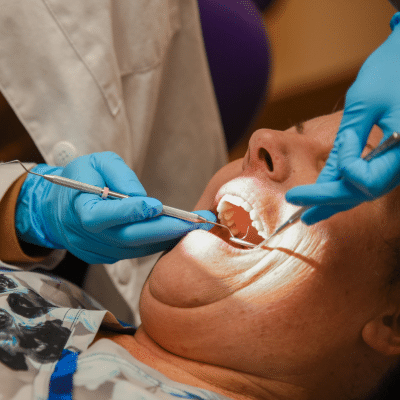
At Gentle Dental Center in Virginia Beach, VA, we use advanced tools like digital X-rays and thorough exams to detect cavities early, even when you don’t feel pain.
What You Can Do Now
- Visit your dentist regularly to learn more about how to tell if you have a cavity through professional exams.
- Brush twice daily with fluoride toothpaste and floss to reduce decay risk.
- Limit sugary and acidic foods that contribute to cavities.
- Pay attention to the subtle signs discussed here and contact your dentist if you suspect a problem.
When to See Gentle Dental Center: Schedule Your Appointment in Virginia Beach, VA Today
If you’re wondering how to tell if you have a cavity, remember that waiting for pain isn’t the best strategy. Early cavity detection leads to easier treatment and a healthier smile. Schedule your appointment at Gentle Dental Center in Virginia Beach, VA today. We’re here to help you protect your teeth and catch cavities early, even without pain.


